

Automatic Voltage Regulator: What It Is, How It Works, and Why Generators Need It
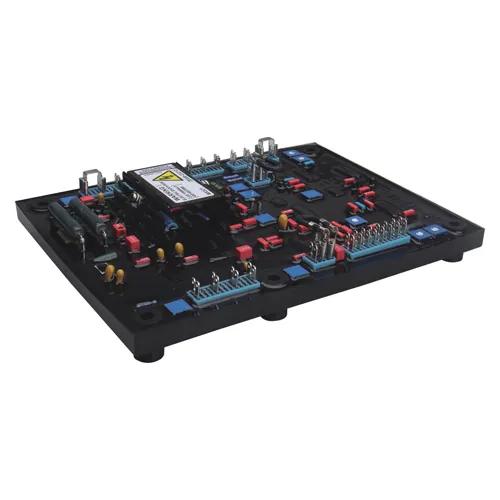
A generator needs a stable electrical output to safely power connected equipment. One important component that helps maintain this stability is an Automatic Voltage Regulator (AVR). It controls the generator's output voltage and helps keep it within a suitable range, even when the electrical load changes.
Whether you operate a standby generator, industrial generator, or commercial power system, understanding how an AVR works can help you identify voltage problems and choose the right replacement part.
What Is an Automatic Voltage Regulator?
An Automatic Voltage Regulator is an electronic device used in generators to monitor and control voltage. Its main job is to keep the generator's output voltage as stable as possible during operation.
When the electrical load connected to a generator changes, the output voltage can also change. The AVR detects these changes and adjusts the excitation supplied to the generator's alternator. This helps maintain a more consistent voltage.
In simple terms, an AVR acts like a voltage control system for the generator.
How Does an AVR for Generator Work?
An automatic voltage regulator for generator applications continuously monitors the generator's output voltage.
When the voltage drops below the desired level, the AVR increases the excitation current supplied to the alternator. This helps raise the output voltage.
When the voltage becomes too high, the AVR reduces the excitation. This brings the voltage back toward the required level.
The process happens automatically while the generator is running, so there is normally no need for manual voltage adjustment.
Why Is a Generator AVR Important?
A generator AVR is important because electrical equipment generally requires a stable voltage supply. Large voltage fluctuations can affect sensitive equipment and may contribute to overheating or poor performance.
A properly working AVR can help:
Maintain stable generator voltage
Improve generator performance
Handle changes in electrical load
Protect connected electrical equipment from excessive voltage variation
Support reliable generator operation
For this reason, the AVR is an important part of many modern generator systems.
Common Signs of a Faulty AVR
An AVR can wear out or become damaged over time. If the generator starts producing unstable voltage, the AVR may be one of the components that needs inspection.
Common signs include:
Voltage that continuously fluctuates
Generator output voltage that is too high or too low
Lights or equipment connected to the generator flickering
Generator voltage dropping when a load is connected
Generator producing little or no voltage
Unusual voltage readings during operation
These symptoms can also be caused by other generator components, so proper testing should be carried out before replacing the AVR.
Choosing the Right Automatic Voltage Regulator
Not every AVR is suitable for every generator. When selecting automatic voltage regulators, it is important to check the generator and alternator specifications first.
Important details may include the AVR model, alternator type, voltage rating, sensing voltage, excitation requirements, and compatibility with the generator system.
If you are looking for a generator automatic voltage regulator, comparing the specifications of the original component with the replacement is a good starting point.
Using an incompatible AVR can result in incorrect voltage regulation or poor generator performance.
What Is a Generator AVR Supplier?
A generator AVR supplier provides voltage regulator components for different generator and alternator applications. A reliable supplier should be able to provide accurate product specifications and help customers identify a compatible replacement.
Before purchasing a replacement AVR For Generator, always check the model and technical specifications rather than choosing only by appearance.
Automatic Voltage Regulators: Maintenance and Replacement
AVRs usually require less routine maintenance than mechanical generator components, but regular generator inspections can help identify problems early.
During generator servicing, technicians may check output voltage, excitation performance, connections, wiring, and the condition of the AVR.
If an AVR is confirmed to be faulty, replacing it with a compatible unit is often the practical solution. The replacement should match the generator's requirements.
Frequently Asked Questions
1. What does an Automatic Voltage Regulator do in a generator?
An Automatic Voltage Regulator monitors the generator's output voltage and adjusts alternator excitation to help maintain a stable voltage.
2. Can a generator run without an AVR?
Some generator systems use different voltage-control methods, but many modern brushless and excitation-based generators rely on an AVR for automatic voltage regulation. The exact setup depends on the alternator design.
3. How do I know which AVR my generator needs?
Check the original AVR model, alternator model, generator specifications, voltage rating, and other technical details. These specifications should be compared before selecting a replacement.
4. What is the difference between an AVR and an auto voltage regulator?
In generator applications, AVR, automatic voltage regulator, and auto voltage regulator commonly refer to the same type of voltage-control device. The exact specifications can vary between generator models.
Final Thoughts
A reliable automatic voltage regulator plays an important role in maintaining stable generator output. It responds to changes in electrical load and adjusts excitation to help keep the voltage within the required range.
If a generator is experiencing unstable or incorrect voltage, the AVR should be inspected along with other electrical and alternator components. Choosing the correct generator automatic voltage regulator based on the manufacturer's specifications is essential for safe and reliable operation.